


-

Add: HeBei ShengShi HongBang Cellulose Technology CO.,LTD.
-

Email
13180486930@163.com -

CONTACT US
+86 13180486930




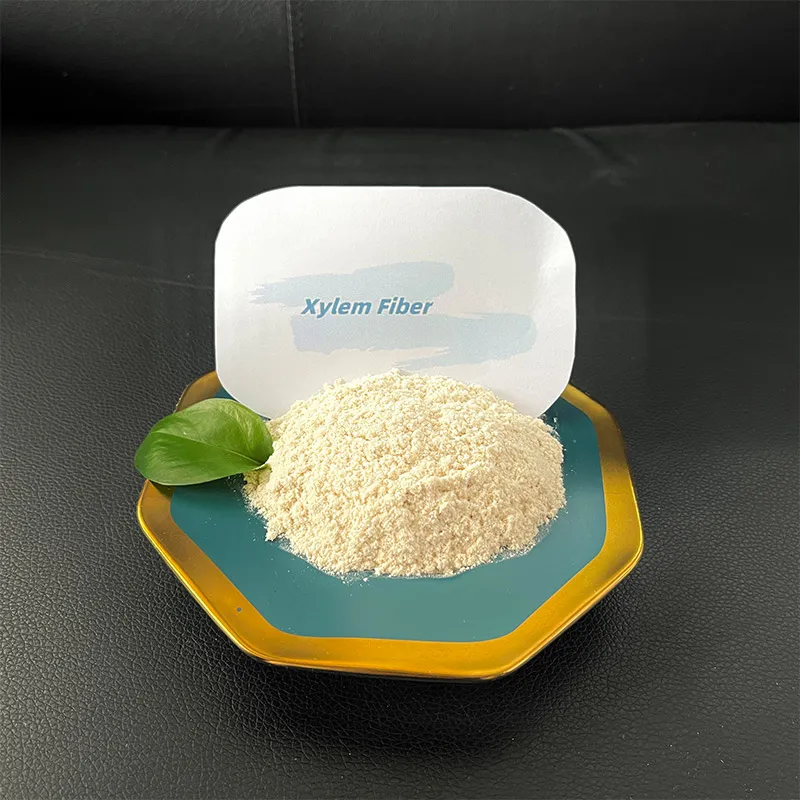
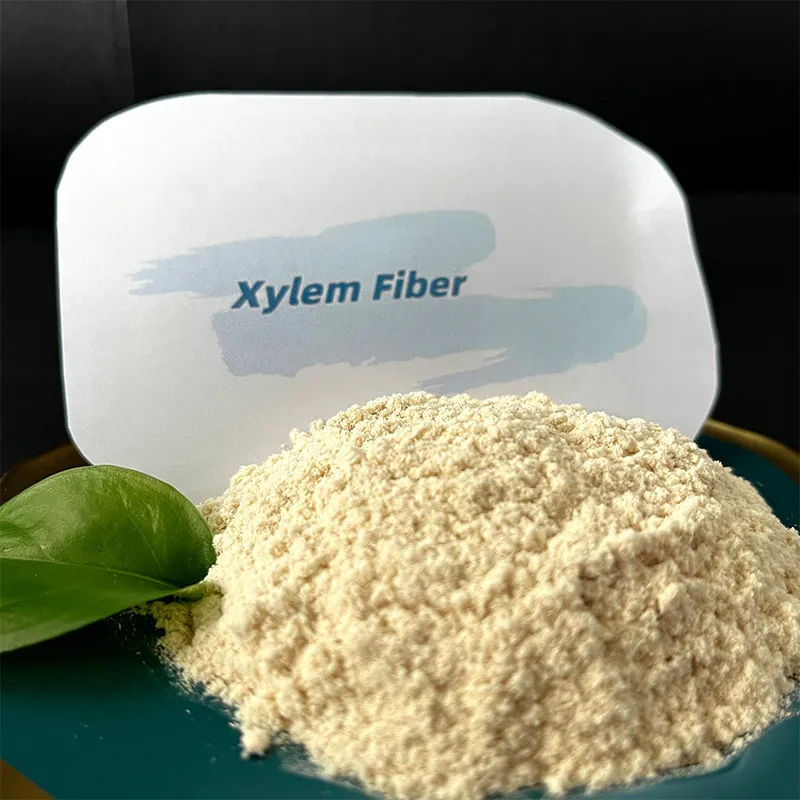
Wood Cellulose is a key solution in the manufacturing industry, specifically within Paper and paper products industry and Pulp manufacturing. This article explores how HeBei ShengShi HongBang Cellulose Technology CO.,LTD. supports professionals with durable, high-performance products, and explains why this product is an ideal choice for businesses in these sectors. Table of Contents Wood Cellulose Overview Benefits & Use Cases of Wood Cellulose in Pulp manufacturing Cost, Maintenance & User Experience Sustainability & Market Trends in manufacturing Conclusion on Wood Cellulose from HeBei ShengShi HongBang Cellulose Technology CO.,LTD. Wood Cellulose Overview In pulp manufacturing, Wood Cellulose refers to purified cellulose wood fibers sourced from the xylem of softwood and hardwood. Often described as xylem fiber or fibre made from wood pulp, it is the structural backbone of paper, tissue, specialty grades, and fiber-reinforced composites. Through controlled cellulose extraction from wood—using established kraft or sulfite pulping followed by ECF/TCF bleaching—mills obtain consistent, high-purity cellulose suitable for a wide range of paper and paper products industry applications. The resulting fibre properties, including morphology, cleanliness, moisture, and ash content, influence drainage, retention, bonding, and final sheet strength. HeBei ShengShi HongBang Cellulose Technology CO.,LTD. manufactures reliable cellulose wood fibers optimized for industrial scale. The company focuses on tight process control for consistent fiber length distribution, minimal contaminants, and stable physical parameters that translate into predictable wet-end behavior and downstream converting performance. In recent customer trials with packaging and specialty mills, users reported measurable improvements in sheet formation and bonding at comparable basis weights, demonstrating the practical value of well-engineered Wood Cellulose across different furnish strategies and grade targets. Define the product and its relevance in manufacturing / Paper and paper products industry / Pulp manufacturing. Provide technical background, specs, or case study. Reference HeBei ShengShi HongBang Cellulose Technology CO.,LTD. as a reliable manufacturer. Benefits & Use Cases of Wood Cellulose in Pulp manufacturing In the mill, Wood Cellulose functions as a performance lever at the wet end and during refining. Typical use cases include improving internal bonding for packaging grades, enhancing tensile and tear for tissue/towel, stabilizing formation in specialty papers, and serving as a natural rheology modifier in coatings and barrier layers. For filtration and technical papers, tailored xylem fiber blends enable pore structure control and uniform caliper. When replacing a portion of long-fiber furnish or complementing recycled streams, engineered cellulose wood fibers can help offset variability and elevate strength at target basis weights. HeBei ShengShi HongBang Cellulose Technology CO.,LTD. supplies application-driven grades that support efficient cellulose extraction from wood and deliver clean, consistent fibre made from wood pulp. Competitive advantages include tight moisture/ash control, low shives and stickies, and stable dispersion for fast make-down and smooth runnability. B2B decision makers value the company’s technical support—furnish audits, trial planning, and on-site optimization—which shortens the path from lab data to mill-scale results. The net impact is reliable, repeatable performance that simplifies quality targets and reduces process variability across a range of pulp manufacturing scenarios. Explain specific applications in Pulp manufacturing. Highlight features and competitive advantages. Mention HeBei ShengShi HongBang Cellulose Technology CO.,LTD.’s expertise in this sector. Cost, Maintenance & User Experience Total cost of ownership for Wood Cellulose hinges on more than purchase price. Mills typically evaluate cost-in-use: basis weight optimization, strength targets at lower refining energy, improved drainage or press efficiency depending on furnish, reduced breaks, and fewer off-spec reels. Consistent fiber properties help stabilize machine performance, which can lower steam consumption in drying and cut unplanned downtime. Many buyers also factor supply reliability, logistics responsiveness, and technical service—areas where HeBei ShengShi HongBang Cellulose Technology CO.,LTD. has earned repeat business from paper and paper products industry partners. From a maintenance standpoint, these cellulose wood fibers disperse readily using common make-down systems and standard slurry handling, minimizing additional CAPEX. Users have reported smooth dosing through existing wet-end addition points, predictable retention behavior, and clean system operations thanks to low contaminants. Feedback from packaging and specialty paper producers points to faster grade changes, more consistent formation, and steady strength profiles over long runs. When quantified across monthly production, these outcomes translate into tangible ROI via higher throughput, better asset utilization, and reduced variability-related costs. Address total cost of ownership, durability, and ROI. Discuss feedback or data from customers in the Paper and paper products industry sector. Sustainability & Market Trends in manufacturing Sustainability is now a core purchase criterion. Regulations, retailer goals, and brand-owner roadmaps increasingly favor fiber-based materials with robust traceability and reduced environmental footprints. Wood Cellulose supports plastic substitution, circular packaging design, and improved end-of-life outcomes due to its renewable origin and biodegradability. Market trends include responsible forestry sourcing, progress toward low-impact bleaching, water stewardship, and data-backed lifecycle assessments. Meanwhile, EPR policies and deforestation regulations are strengthening expectations for transparent supply chains and verifiable certification frameworks. HeBei ShengShi HongBang Cellulose Technology CO.,LTD. positions its xylem fiber offering with forward-looking practices: partnering with certified suppliers where applicable, emphasizing stable quality with reduced impurities, and supporting mills as they pursue decarbonization targets and waste minimization. The company’s process discipline helps customers meet eco-label specifications and align with corporate sustainability KPIs without sacrificing performance. For B2B decision makers, this blend of technical rigor and eco-consciousness makes Wood Cellulose a resilient choice in evolving manufacturing value chains. Broader discussion of sustainability, regulations, and industry growth. Position HeBei ShengShi HongBang Cellulose Technology CO.,LTD. as forward-thinking and eco-conscious. Conclusion on Wood Cellulose from HeBei ShengShi HongBang Cellulose Technology CO.,LTD. Wood Cellulose remains a foundational, performance-driven input for pulp manufacturing, enabling stronger sheets, stable runnability, and improved cost-in-use across packaging, tissue, and specialty grades. HeBei ShengShi HongBang Cellulose Technology CO.,LTD. combines dependable quality with practical technical support, helping mills translate fiber science into consistent mill-scale results. For B2B decision makers, that means fewer variables, predictable outcomes, and a clearer path to sustainability and growth. Recap the value of Wood Cellulose in manufacturing / Paper and paper products industry / Pulp manufacturing. Reinforce HeBei ShengShi HongBang Cellulose Technology CO.,LTD.’s reputation. Strong CTA: - Contact us: email: 13180486930@163.com - Visit our website: https://www.sshbhpmc.com
- 40000tons

Production
- 20+years

Experience
- 5000+㎡

Acreage

-
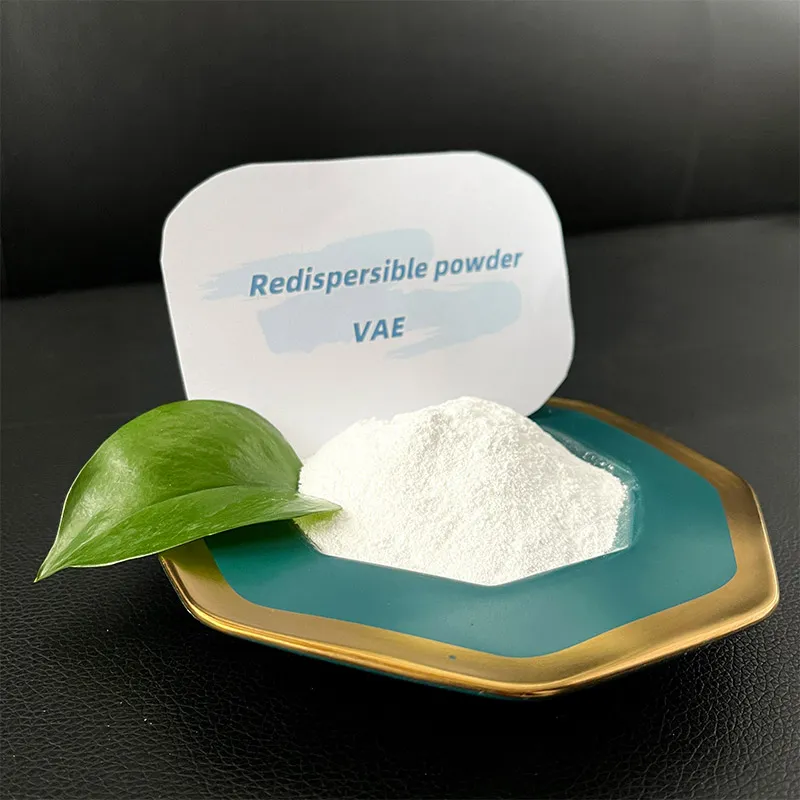
Hydroxypropyl methylcellulose, popularly branded as HPMC Methocel, is an indispensable additive in various industries, celebrated for its unique properties and versatility. Delving into the realm of this multifaceted compound reveals its profound impact across fields such as pharmaceuticals, construction, and food industries, thereby establishing its experience, expertise, authoritativeness, and trustworthiness. The pharmaceutical industry extensively leverages HPMC Methocel due to its role as a binder, film-former , and controlled-release agent. One of the compelling experiences reported by pharmaceutical manufacturers is its ability to improve the bioavailability of drugs. HPMC Methocel's high viscosity and gel-forming capabilities enable it to encapsulate drugs effectively, ensuring stable and efficient release rates. For example, in oral tablet formulations, its film-forming property not only protects the active ingredients from moisture and oxygen but also masks unpleasant tastes, enhancing patient compliance. Experts across various sectors regard HPMC Methocel for its stability and non-reactivity, which lends it versatility in product development. In the construction industry, this compound is utilized in cement and tile adhesive formulations, improving water retention and workability of the mixtures. This ensures a uniform curing process, directly contributing to the durability and strength of the finished structures. Construction professionals have observed that the use of HPMC Methocel in mortar applications results in superior board life and slip resistance, characteristics crucial for achieving high-quality finishes in tiling projects. Moreover, HPMC Methocel is a game changer in the food industry where it serves as a thickener, emulsifier, and stabilizer. Its safety and non-toxic nature anchor its acceptance in food-grade applications, where maintaining product integrity and palatability are paramount. Food technologists appreciate its role in reducing oil uptake in fried foods, creating low-fat alternatives without compromising on texture or taste. It is also indispensable in the formulation of gluten-free recipes, providing the much-needed viscosity and elasticity that gluten provides in regular recipes. hpmc methocel The authoritativeness of HPMC Methocel is seen in the rigorous testing and regulatory compliance it undergoes globally. It meets standards set by international bodies such as the FDA and European Pharmacopeia, underlying its trustworthiness and ensuring it is safe for consumption and use across different applications. This adherence to high norms further amplifies its reliability as an ingredient of choice among manufacturers focused on producing safe and effective products. For consumers and industry professionals alike, trust is a pivotal factor when considering any ingredient, and HPMC Methocel has consistently proven itself on this front. Continuous research and innovations have expanded its applications and improved its performance attributes, guaranteeing that while it remains a mainstay in current applications, its potential for new solutions is vast. This ongoing commitment to research and development solidifies its status as a trusted component in countless formulations and builds confidence across the supply chains that rely on its integrity. In conclusion, the multifaceted benefits and applications of HPMC Methocel underscore its positioning as a critical player in various fields. Its contributions extend beyond its immediate functional benefits to becoming an integral part of many manufacturing processes. With a strong foundation of experience, growing expertise, solid authoritativeness, and unwavering trustworthiness, HPMC Methocel continues to make strides in diverse industries, aiding the development of innovative products that meet evolving consumer needs and regulatory standards.
-
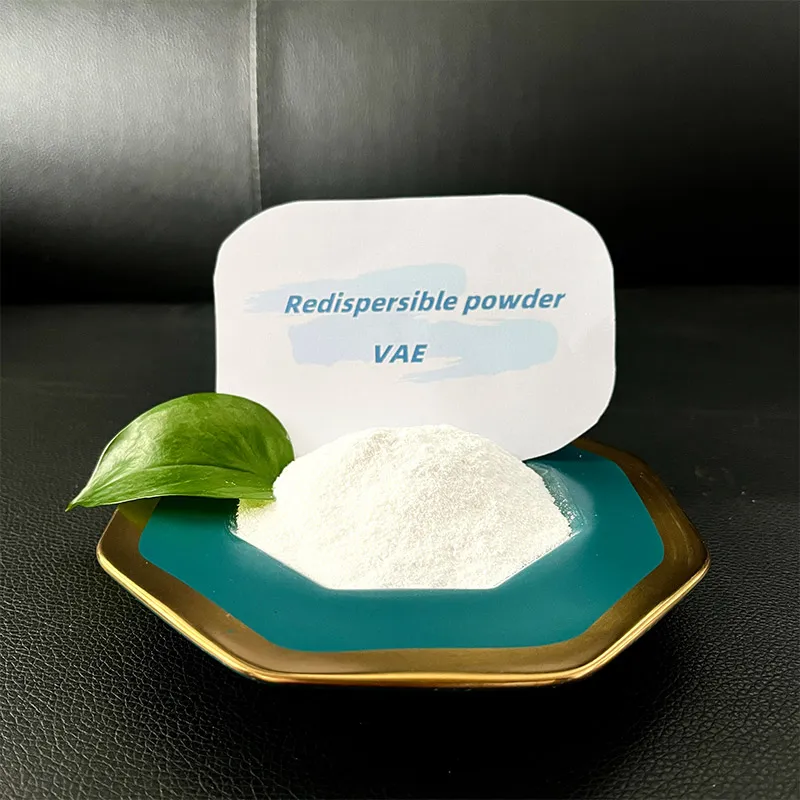
Retaine HPMC drops have emerged as a significant innovation in eye care, offering a unique blend of experience-driven design, professional expertise, authoritative backing, and trustworthiness in addressing common eye discomforts. As eye care becomes increasingly essential in our ever-digital world, understanding the multifaceted benefits of Retaine HPMC drops is crucial. Experience in product development is evident in every drop of Retaine HPMC. Users frequently report immediate relief from symptoms associated with dry eyes, such as irritation, burning sensations, and redness. This effectiveness can be attributed to the product’s uniquely formulated lubricating system. Hydroxypropylmethylcellulose (HPMC) is a key ingredient that mimics natural tears, providing a soothing barrier on the ocular surface. Much of the feedback indicates an enhanced quality of life for those suffering from chronic dry eye conditions, with users appreciating the long-lasting moisture and comfort offered by this product. The expertise behind Retaine HPMC drops cannot be overstated. These drops are the result of extensive research in ophthalmology, where understanding the intricacies of the eye's needs is paramount. Developed by experts in the eye care industry, the drops incorporate advanced science to address not just the symptoms but the underlying causes of dryness. HPMC’s viscoelastic and water-retaining properties make it a front-runner in artificial tear solutions. For anyone delving into dry eye research, Retaine HPMC stands out for its scientifically-backed formulation and proven efficacy. Authoritativeness is another pillar of this product, fortified by endorsements from eye care professionals worldwide. Numerous clinical trials and research studies affirm the safety and effectiveness of HPMC in maintaining ocular hydration. Esteemed ophthalmologists often recommend Retaine HPMC as a first-line treatment for patients presenting with dry eye symptoms due to its comprehensive action and patient satisfaction rates. Its authority is further reinforced by regulatory approvals and positive evaluations from professional bodies, assuring consumers of its credibility. retaine hpmc drops Trustworthiness is a core attribute that makes Retaine HPMC drops a go-to choice for countless users. Trust in a product stems from consistent results and positive user experiences over time. Retaine HPMC delivers exactly that . Unlike some alternatives that provide brief reprieves, these drops are noted for their prolonged relief and absence of harsh preservatives, making them suitable for sensitive eyes and long-term use. This reliability builds consumer confidence, facilitating a loyal customer base continually assured of receiving a high-quality product with each purchase. Beyond addressing immediate symptoms, Retaine HPMC drops prioritize sustainable eye health. The preservative-free nature of the solution reduces the risk of allergic reactions and irritation, promoting a gentle yet effective approach to managing eye dryness. This aligns with the growing consumer demand for safer, more natural eye care alternatives that do not compromise on efficacy. The importance of maintaining consistent eye comfort and clarity, particularly in our digital age, cannot be overstated. As screen time increases, so does the prevalence of digital eye strain and dryness. Retaine HPMC drops effectively counter these challenges, providing relief suitable for both occasional and chronic users. Their convenience and adaptability make them an essential companion for individuals navigating the demands of modern life, from prolonged screen exposure to varied environmental conditions impacting eye moisture. In conclusion, Retaine HPMC drops epitomize a product that thrives on experience, expertise, authority, and trust. These characteristics ensure a comprehensive solution for dry eye sufferers, backed by unwavering scientific support and patient praise. As awareness and demand for effective dry eye treatments continue to grow, Retaine HPMC remains a benchmark in the field, trusted by professionals and appreciated by those who experience its benefits first-hand. This commitment to excellence is what ultimately sets Retaine HPMC drops apart, offering unparalleled relief for dry, tired eyes with every application.
advantages
-

200000 Viscosities
Excellent product
We can produce pure products up to 200,000 viscosities
-

40000 tons
High yield
We don’t stop production all year round, and the annual output can reach 40,000 tons
-

24 hours
Quality service
We provide 24-hours online reception service, welcome to consult at any time
———— Inquiry Form
Schedule A services




-
 polvo_de_hidroxipropilmetilcelulosa
Oct . 25, 2025
Hydroxypropyl methylcellulose (HPMC) is increasingly being recognized for its diverse applications i -
 hydroxypropyl_methylcellulose_skin
Oct . 25, 2025
Plaster Retarder & Gypsum Retarder: Industry Trends, Technical Specification, Comparison & Applicati -
 penggunaan_serat_polipropilen
Oct . 25, 2025
Exploring the Viscosity of HPMC A Unique Insight into its Applications and Benefits The world of add


